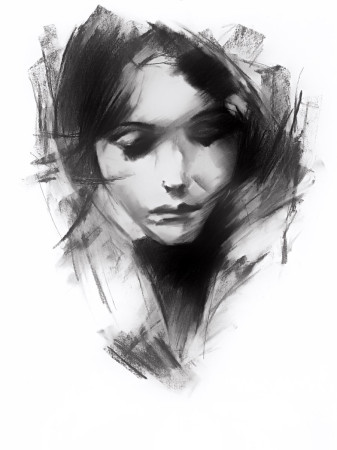
What does your creative process look like from the initial idea to completion?
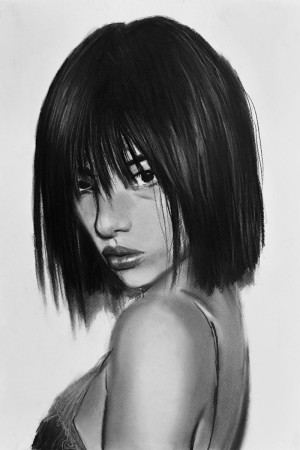
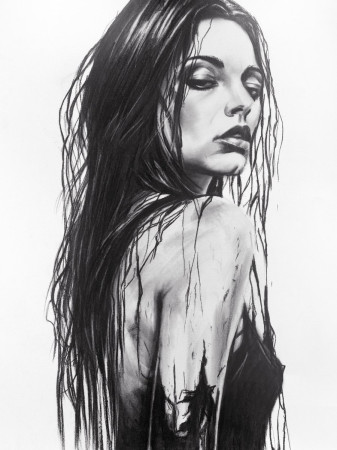
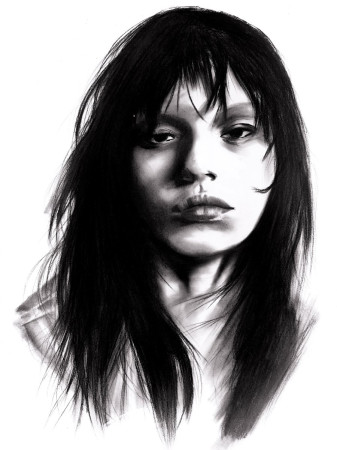
Once I begin, charcoal allows me to work very instinctively. I build the image slowly through layers — starting with loose structures and atmosphere before moving into detail. I like the balance between control and unpredictability that charcoal offers. It can create both softness and intensity, and I use that contrast to shape the mood of the work. I work a lot with erasers to create more dept.
Where do you get your inspiration from? What is your work about? What message do you want to convey?
My inspiration comes from a combination of personal interest in people and human emotion and the quiet stories that places and people carry with them. I’m drawn to subjects that contain a certain tension — something fragile, unresolved, or marked by time. Sometimes inspiration comes from old photographs, abandoned environments, conversations, or moments that would otherwise go unnoticed.
My work is not necessarily about giving clear answers, but about creating space for reflection and emotion. I’m interested in what remains beneath the surface — the traces people leave behind, the atmosphere of a place, or the emotional weight of silence. There is often a balance between realism and disappearance in my drawings, where parts emerge clearly while others fade or dissolve.
If there is a message I hope to convey, it is perhaps an invitation to slow down and truly look. In a world that moves quickly and constantly demands attention, I want my work to create a moment of stillness — a moment where viewers can connect with something human, vulnerable, and real.
What role does art generally play in your life, and which art in particular?
Art plays a central role in my life — it is both a way of understanding the world and a way of processing it emotionally. Drawing allows me to slow down, observe more carefully, and give form to thoughts or feelings that are often difficult to express in words. It creates a space where reflection, intuition, and emotion can exist together.
At the same time, art continues to challenge me. It constantly asks for patience and vulnerability. That ongoing dialogue with the work is one of the reasons it remains such an important part of my life.
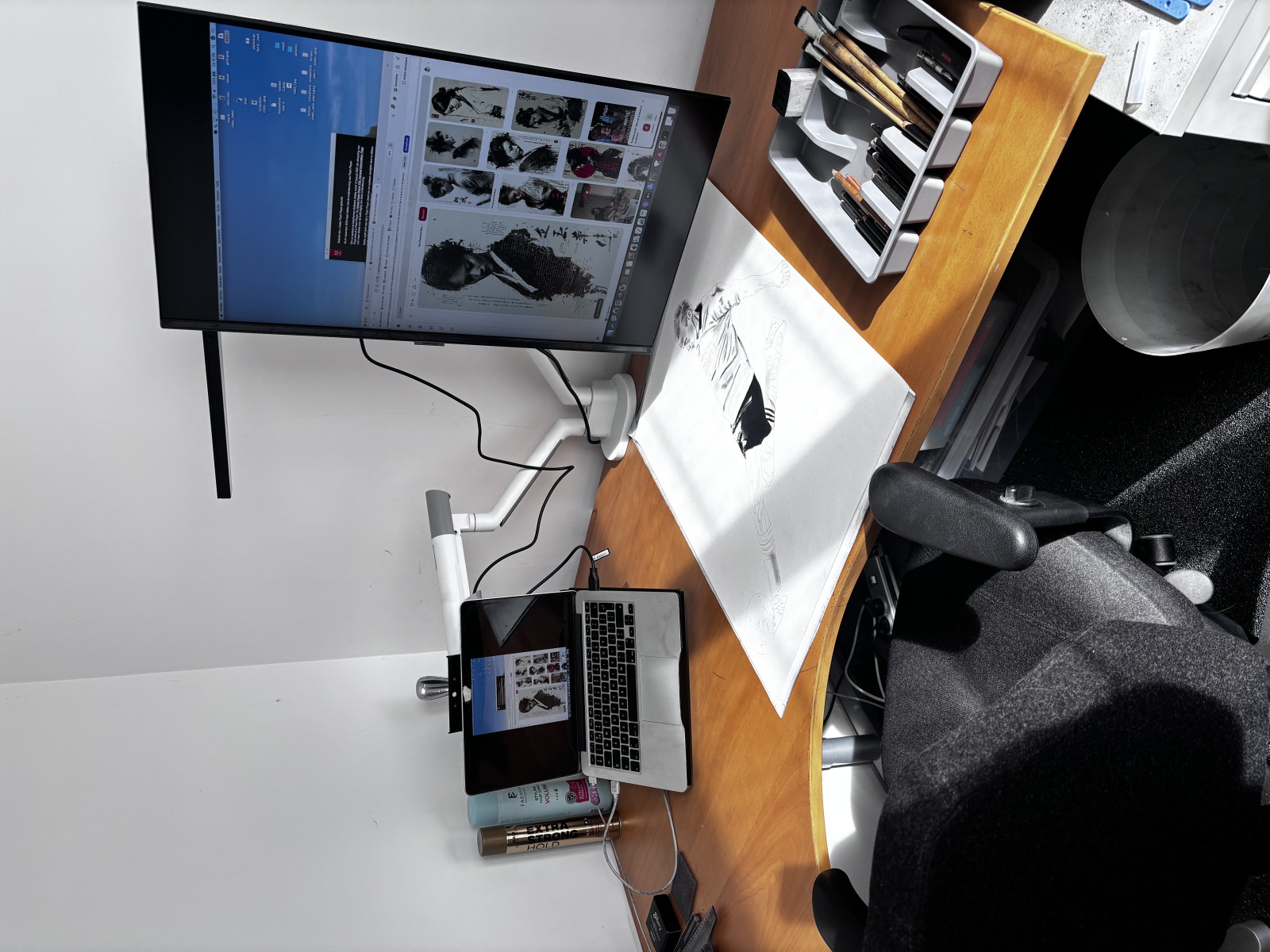 My studio
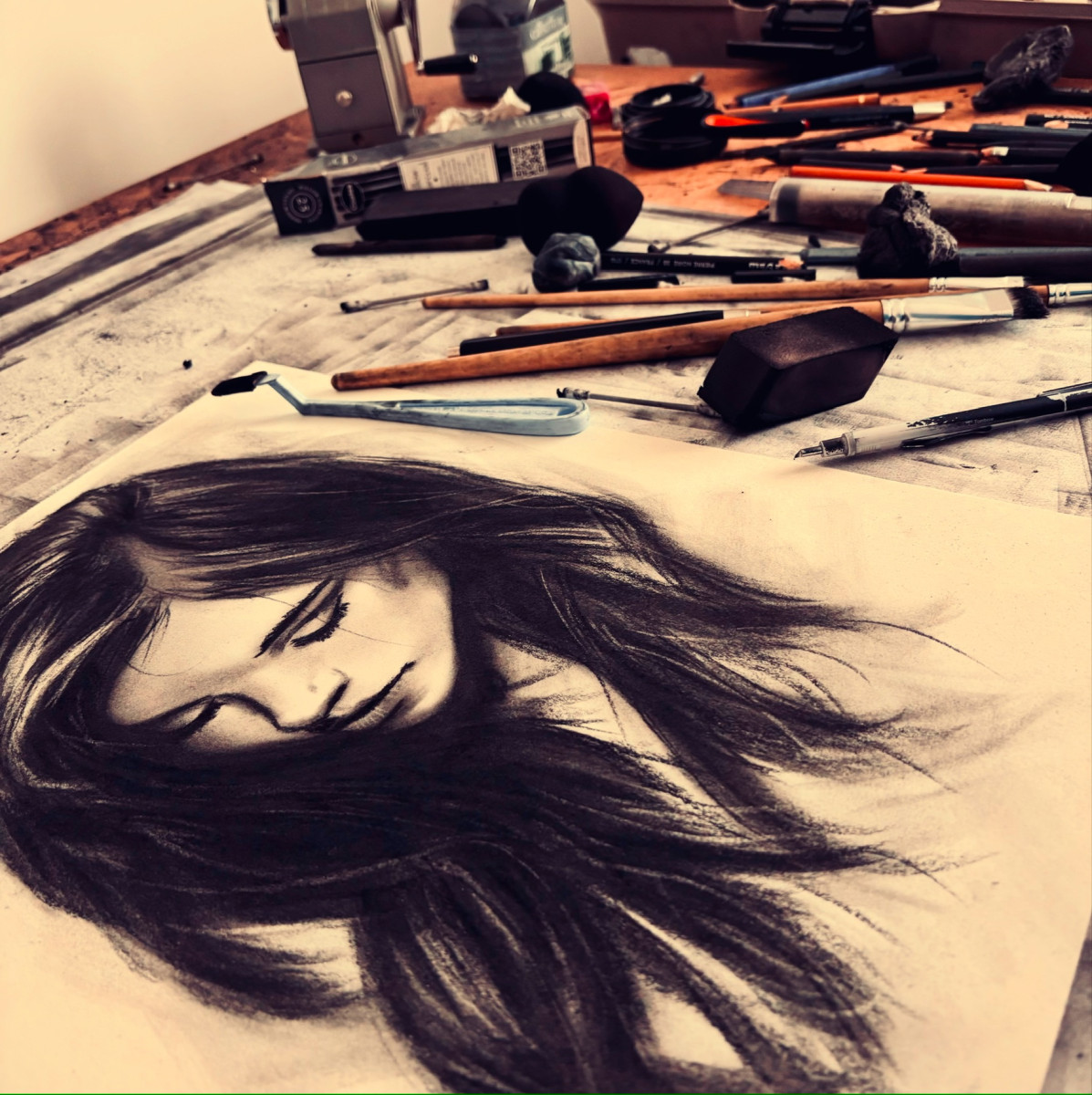 Work in progress
What is the most important thing anyone has ever said about a work of art you've created?
One of the most meaningful responses I’ve received came from people who commissioned a piece and told me that the final drawing genuinely moved them emotionally. Knowing that something I created could hold such personal meaning for someone else is incredibly special to me. In those moments, the artwork becomes more than an image — it becomes connected to memory, emotion, or a part of someone’s life that matters deeply to them.
What kind of music do you like to listen to, who is your favorite singer or band and why?
it depends on my mood. it could be everything. from house to rock but also old school rap.
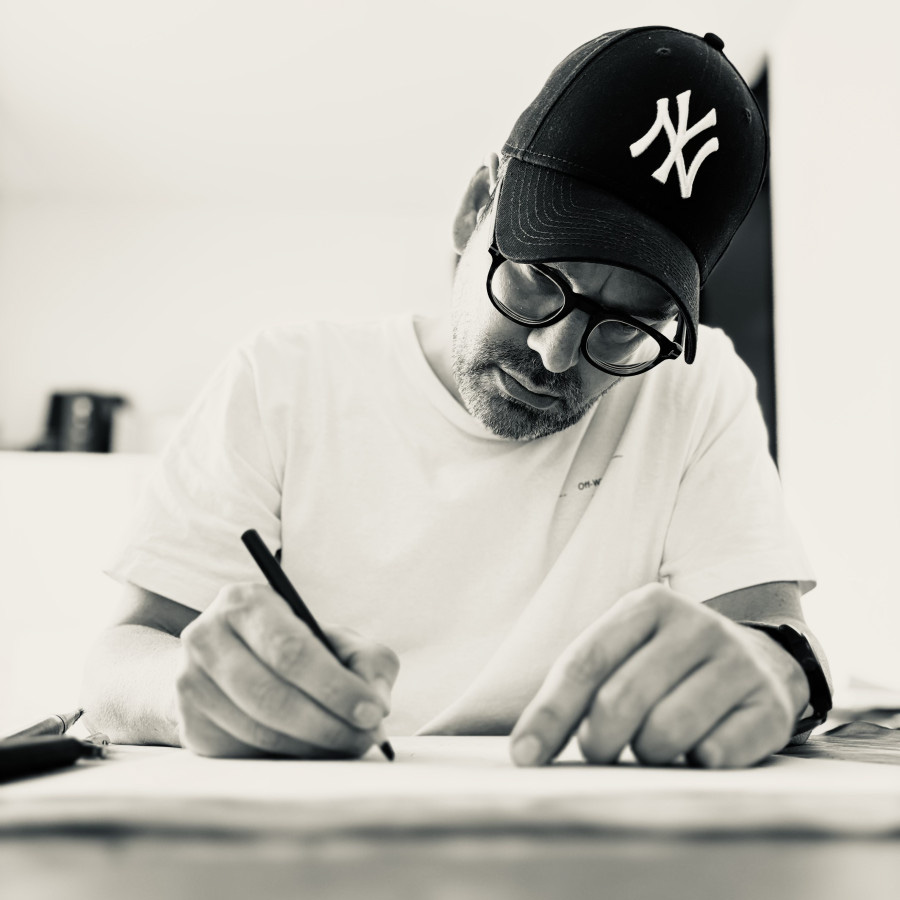
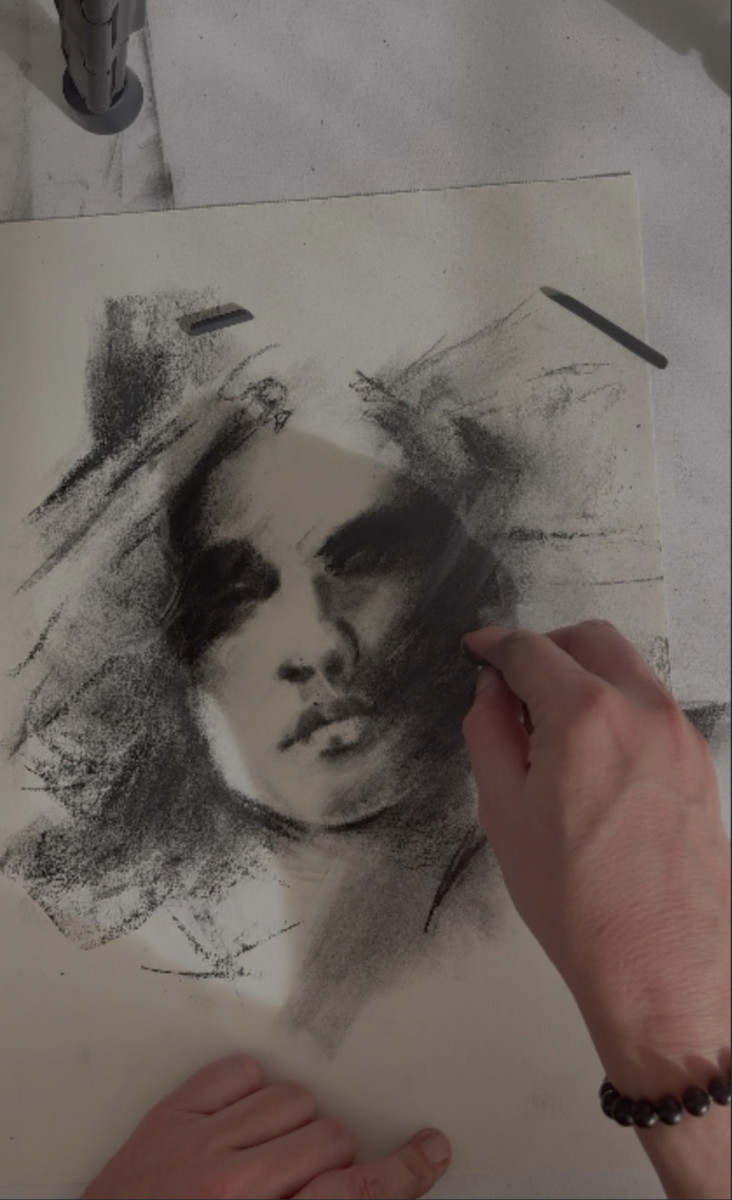 Me drawing
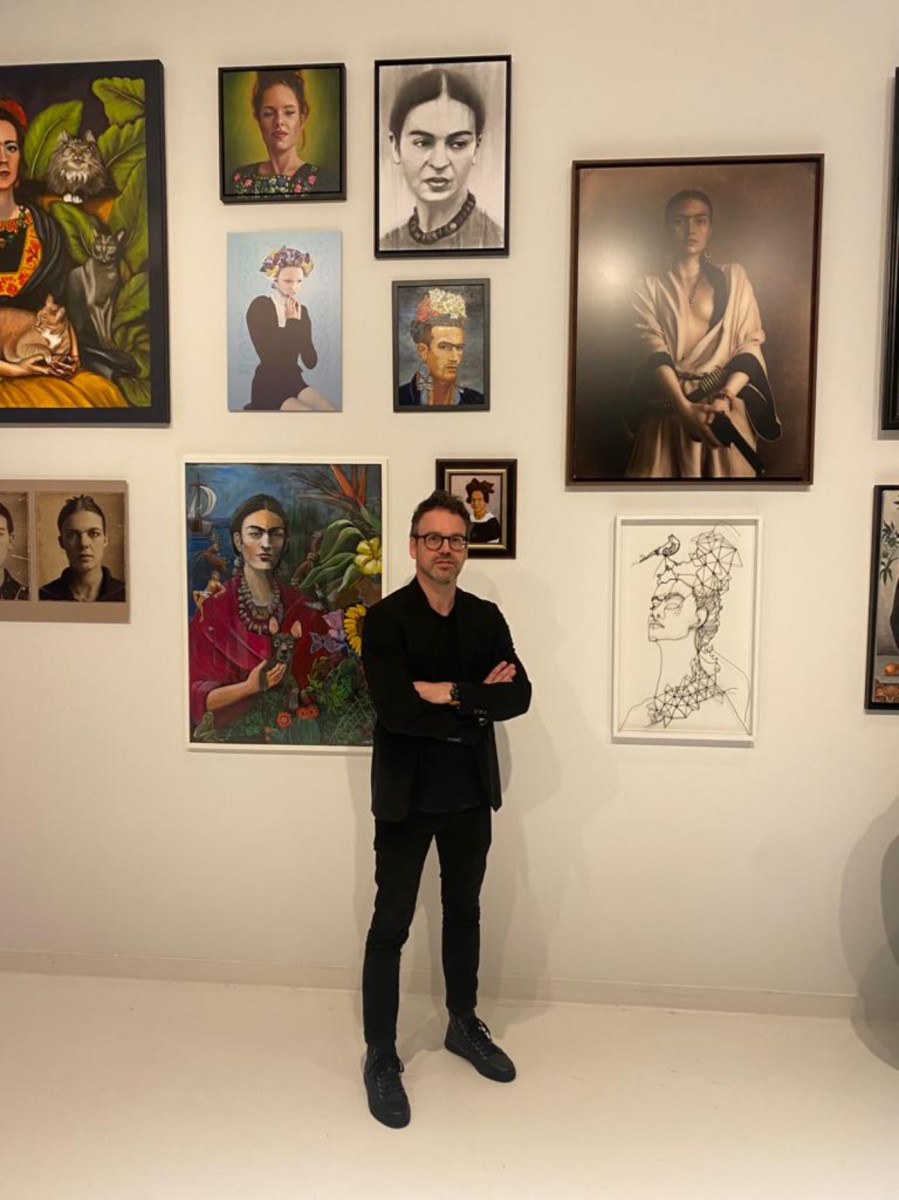 During an exposition of Frida Kahlo
What is your personal environment and how does it receive your art?
I’m grateful that my environment receives my work with openness and curiosity. That support gives me the freedom to continue exploring subjects that feel honest and important to me. At the same time, I appreciate conversations where people bring their own interpretations to the drawings, because I believe art becomes richer when viewers can connect their own experiences and emotions to the work.
What inspired your art, where do you stand now, and where do you hope to go next?
Right now, I feel like my style is still very much evolving. Lately, more abstract elements have started to enter the work naturally, almost taking over parts of the drawings. I’m also exploring color for the first time, which feels both exciting and unfamiliar after working so long primarily in black and white. I don’t fully know yet where this shift will lead, but I think that uncertainty is an important part of being an artist.
At the moment, I’m trying not to force a fixed direction. I mostly follow intuition and draw what feels right or emotionally honest in that moment. Sometimes the work becomes more structured, sometimes more fragmented or abstract. I’ve learned to trust that process instead of trying to control every outcome too early.
As for the future, I don’t have a completely defined destination yet — and I actually like that. I hope to keep experimenting, surprising myself, and allowing the work to grow naturally. For me, the most important thing is that the art continues to feel genuine and alive.