


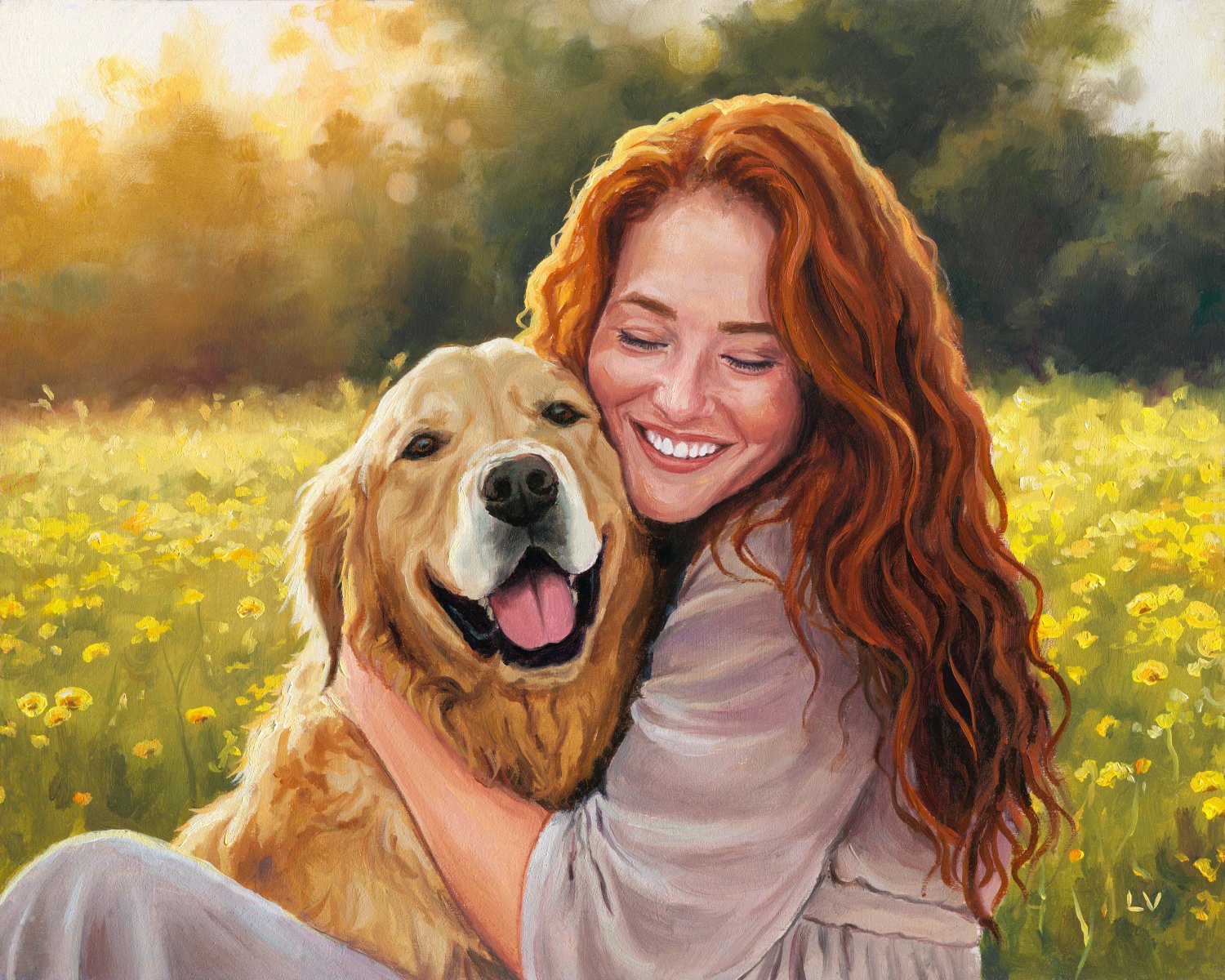
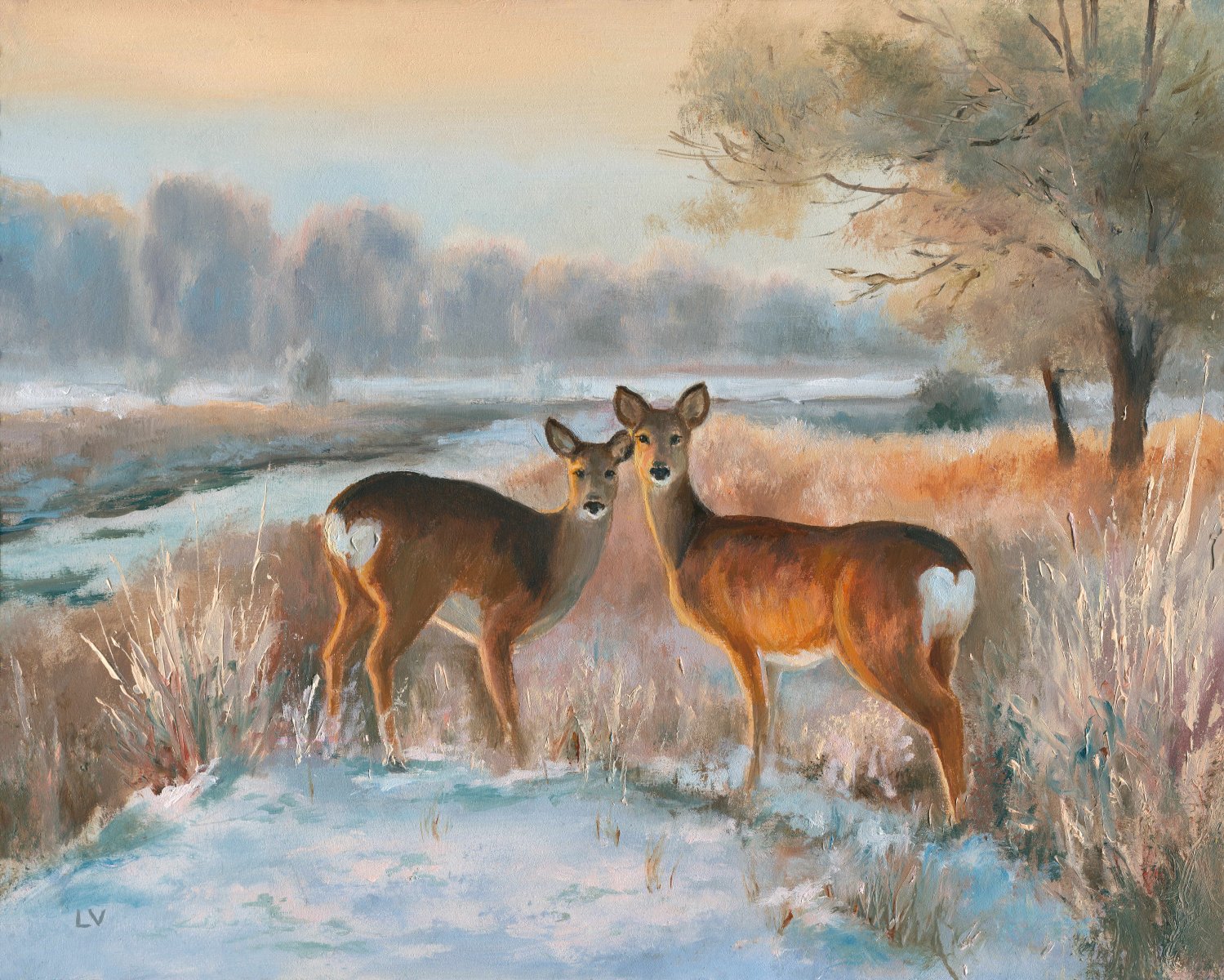
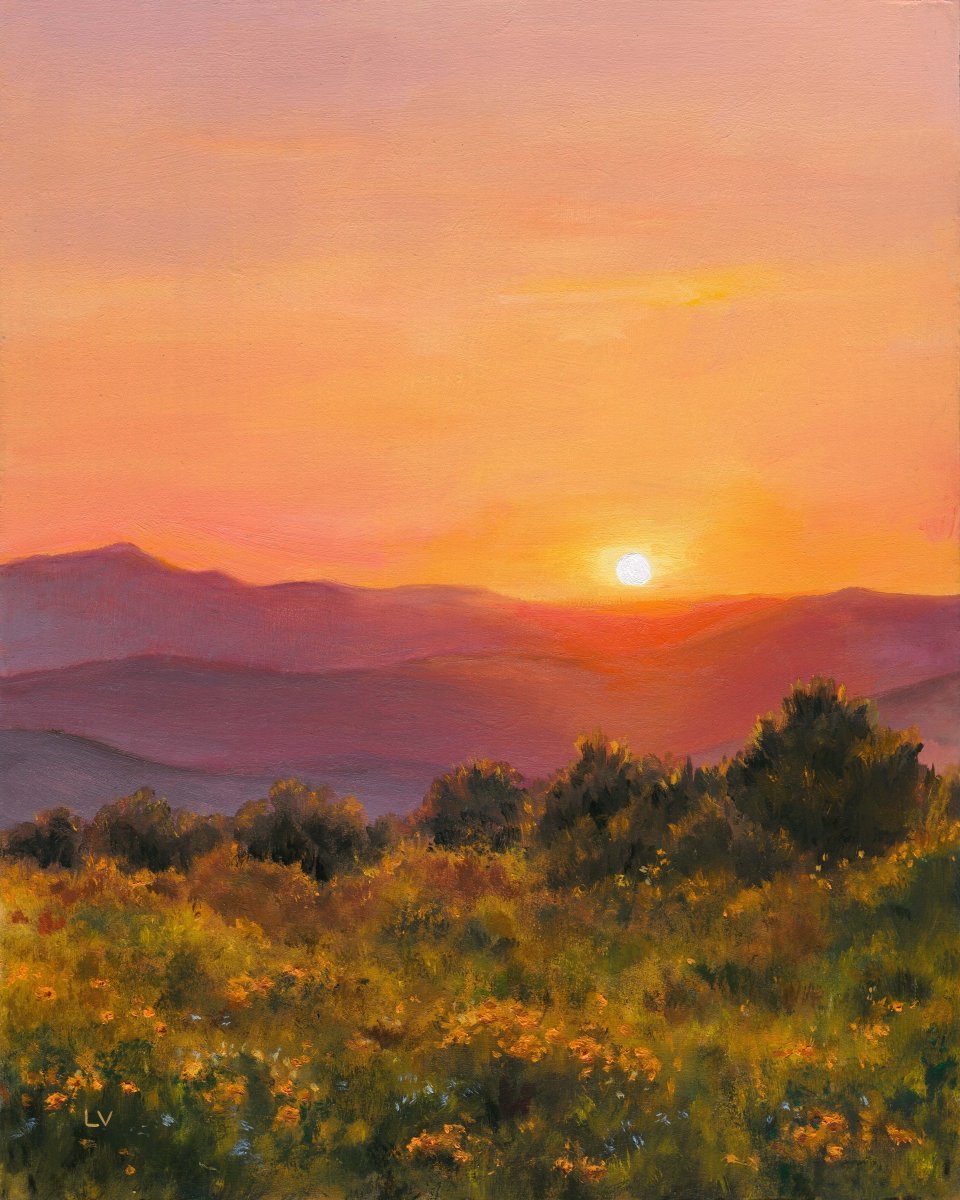
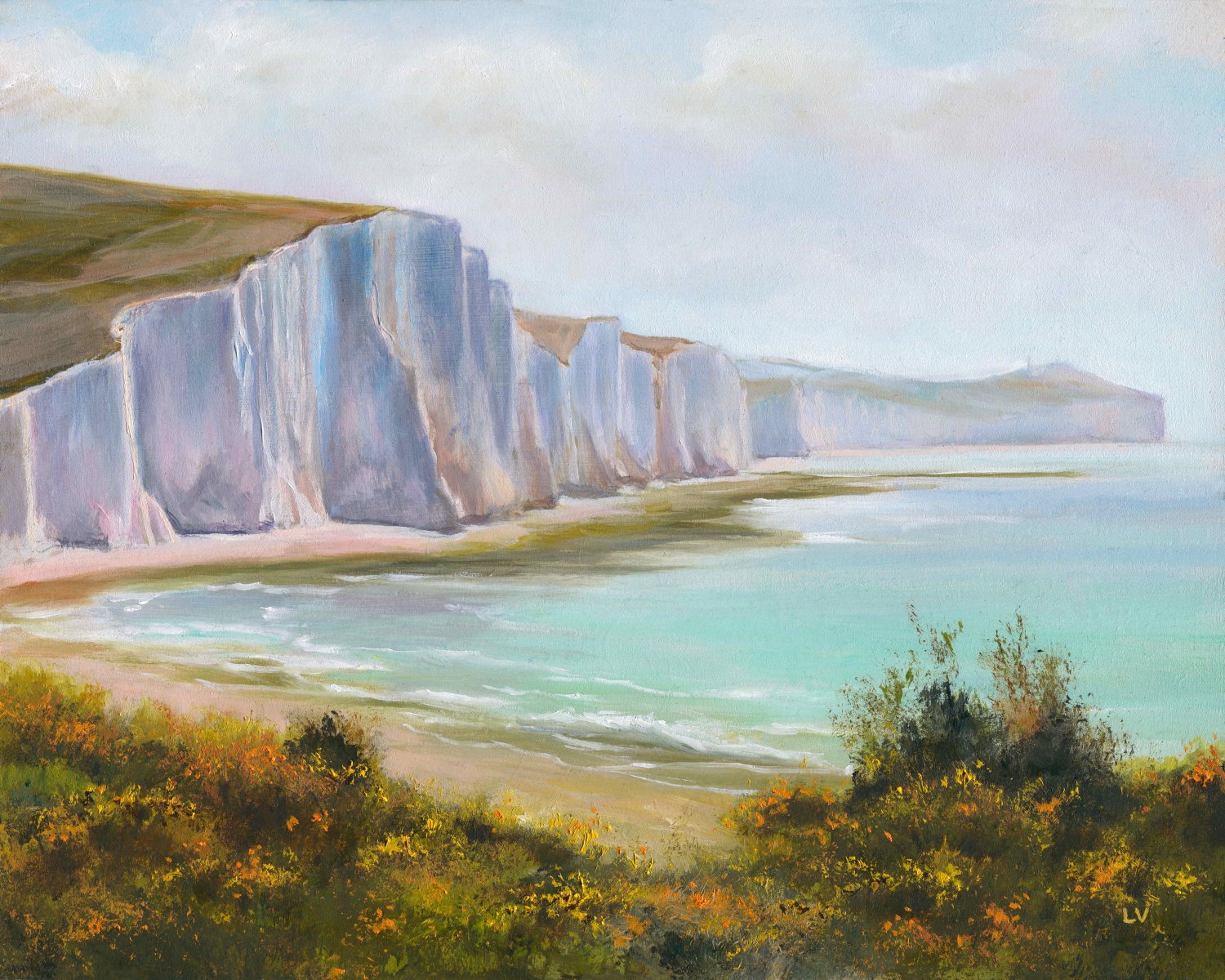
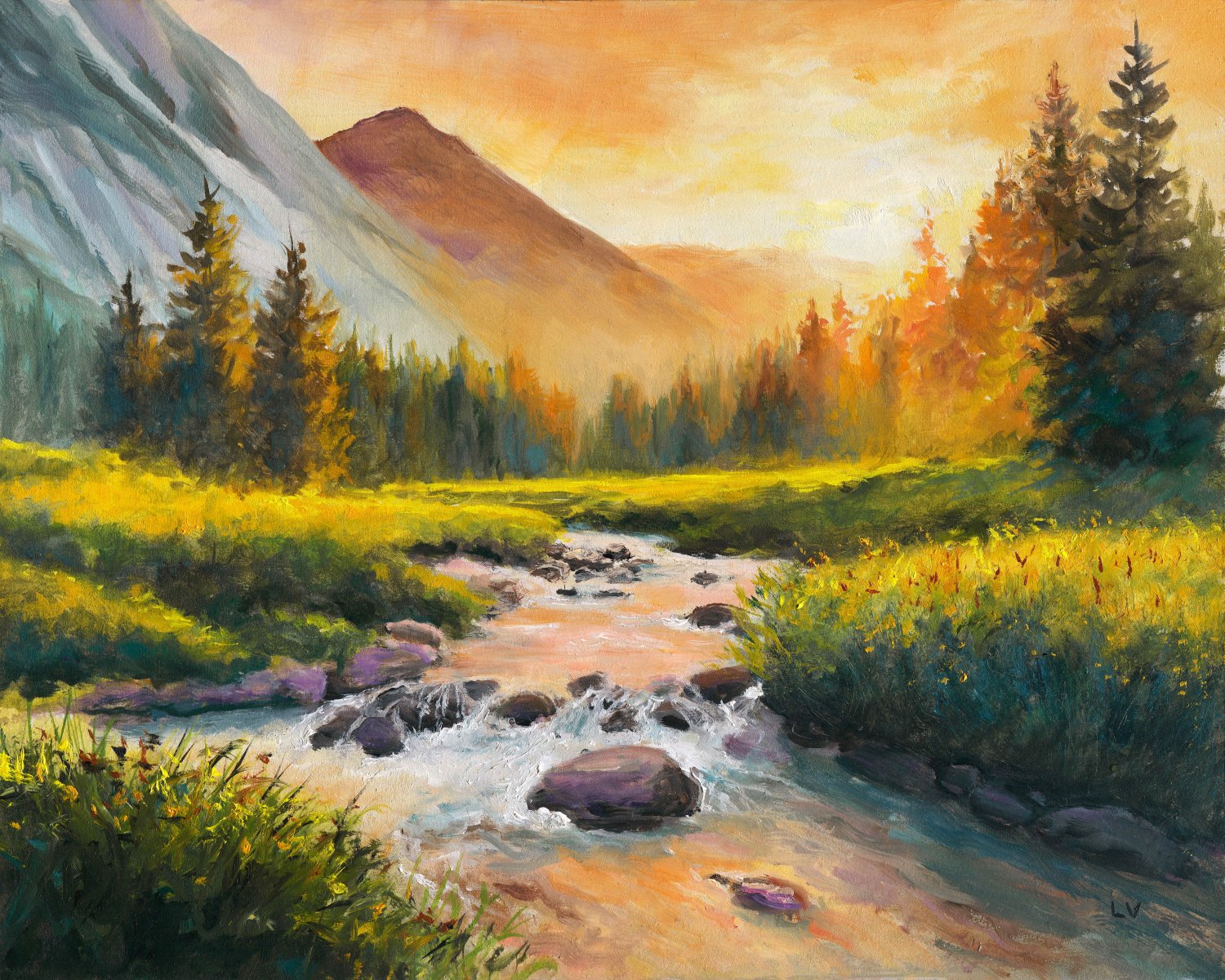
Originals in this selection, Oil, Photorealism, Material Wood.
Glaze after glaze
Oil and photorealism belong together when highlights and soft shadows need to ring true. Anyone planning on photorealist oil paintings on wood for sale gets a technique that lives on the patience of glazing.
Oil paint stays workable for a long time, so transitions in skin, fabric or metal can be blended by the millimeter. Thin glazes give colors a depth that photographs do not have. On a wood ground each layer stays precise, with nothing sinking into a weave.
Read more
Size, weight and placement
Ask about the thickness of the support and about hanging fittings, since wood is heavier than it looks. The glossy varnish of such a picture needs light from the side, because reflections disturb the illusion. If dust collects in the room, wipe dry only, ideally with a soft brush.
Detail in raking light
If the photograph of the picture shows raking light, you can read the layers of paint: thin glazes look smooth, bright highlights sit slightly raised. That is exactly where it is decided whether the illusion holds. To be certain, study the edges and the transition from light to dark.